15 Tips to Grilling Meat So It Doesn’t Dry Out
 Add Preferred Source
We all know the feeling of excitement that comes with firing up the grill, only to have it dashed when our perfectly marinated meat ends up dry and chewy. Fear not! I’m here to share some tried-and-true tips to keep your meat juicy and delicious, so you can impress your friends and family at your next barbecue.
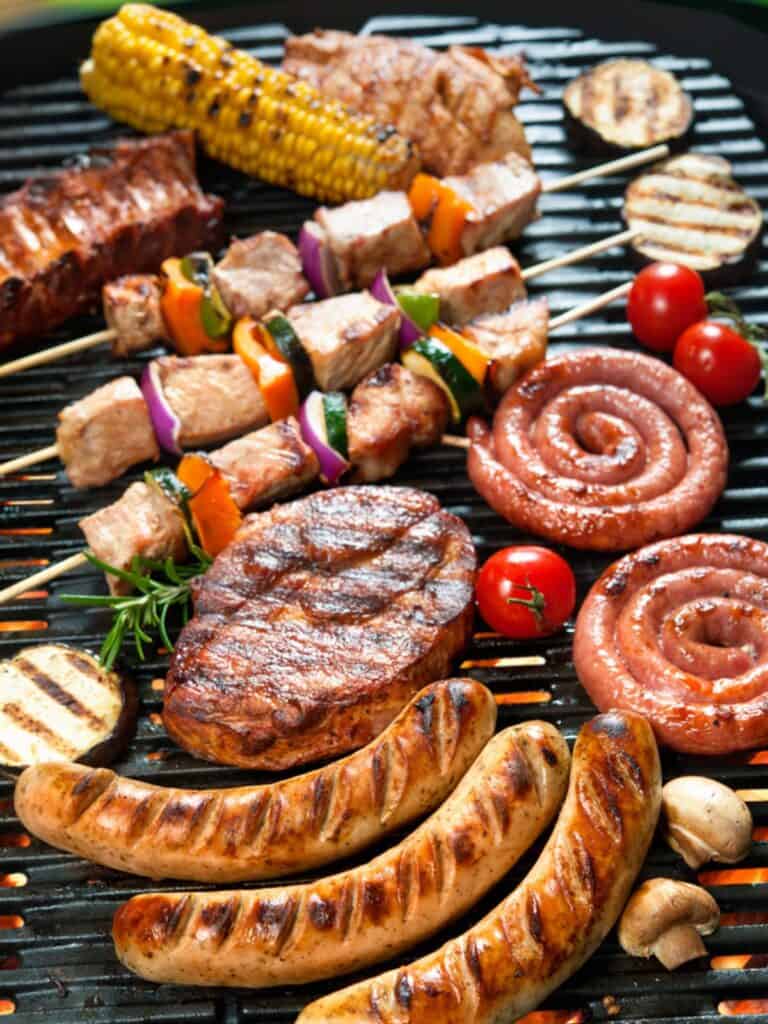
Grilling meat is an art form that combines the right cuts, marinades, and techniques to achieve that perfect balance of flavor and juiciness. Whether you’re a seasoned pro or just getting started, these tips will help you avoid common pitfalls and elevate your grilling game. From selecting the best cuts to mastering the two-zone method, I’ve got you covered.
1. Choose the Right Cut
First things first: selecting the right cut of meat is crucial. Not all cuts are created equal when it comes to grilling. For beef, go for ribeye, sirloin, or tenderloin. These cuts have a good amount of marbling, which means more fat and flavor. For pork, try a nice thick chop or tenderloin. Chicken lovers, opt for thighs or drumsticks instead of breasts, as they tend to retain moisture better.

50+ Smoker Recipes eBook
This is a digital product. You'll receive an instant download link after purchase.
This full-color ebook cookbook features more than 50 of Chef Jenn’s tried, tested, and favorite smoker recipes! Enjoy:
- Smoked Beef Kabobs
- Smoked Chicken Thighs
- Smoked Bacon-Wrapped Pork Stuffed Jalapeno Poppers
- Smoked Spaghetti Squash with Herbs and so much more!

2. Marinate for Moisture
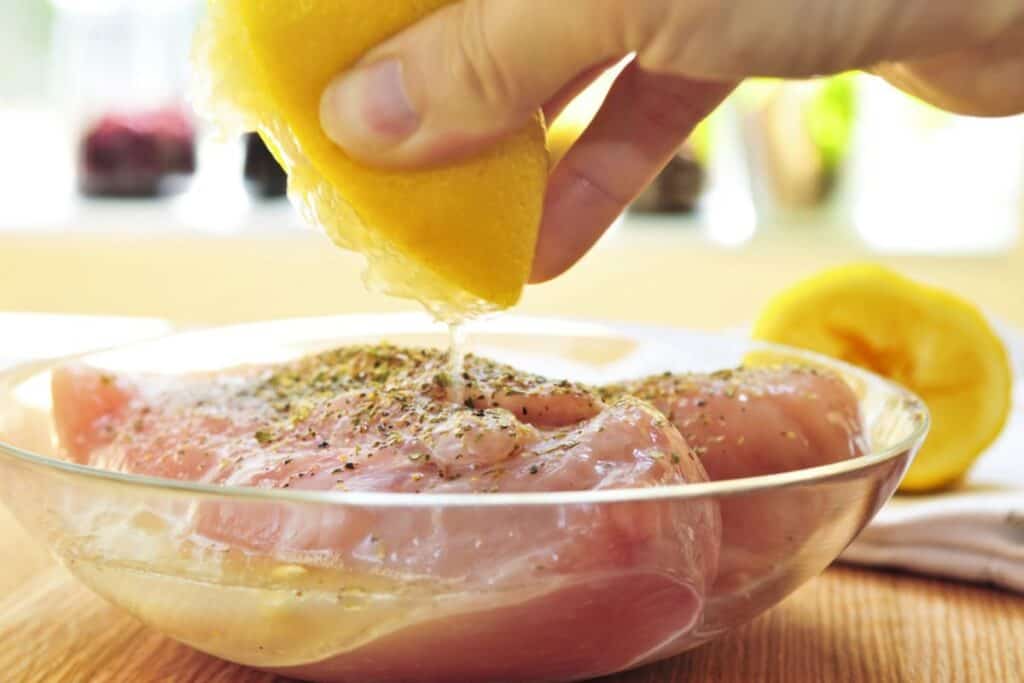
Marinating isn’t just about flavor — it’s also about keeping your meat moist. A good marinade typically contains acid (like lemon juice or vinegar), oil, and seasonings. The acid helps tenderize the meat, while the oil locks in moisture. For example, try a mix of olive oil, soy sauce, garlic, and a splash of lime juice. Let your meat soak in the marinade for at least 30 minutes, but if you have time, overnight is even better.
3. Mind Your Marinade Time
While marinating your meat is essential for flavor and moisture, it’s important not to overdo it. Over-marinating, especially with acidic marinades, can break down the meat too much and actually lead to a mushy texture rather than a juicy one. For more delicate cuts like chicken breasts or fish, marinate for 30 minutes to 2 hours. For tougher cuts like beef or pork, 4 to 24 hours is ideal. Always marinate in the refrigerator and not at room temperature to keep your meat safe from bacteria.
4. Use a Meat Thermometer
Guessing when your meat is done is a recipe for disaster. Invest in a good meat thermometer, and you’ll never have to play the guessing game again. Here’s a quick guide for internal temperatures:
- Beef: Medium-rare (125-130°F), Medium (135°F)
- Pork: 145°F (let it rest for three minutes)
- Chicken: 165°F
Using a thermometer ensures that your meat is cooked perfectly every time without overcooking.
5. Don’t Overcook It
This one seems obvious, but it’s worth emphasizing. Overcooking is the number one reason meat turns out dry. Follow the temperature guidelines, and remember that meat continues to cook a bit after it’s off the grill. If you’re aiming for medium-rare beef, take it off the grill at around 130°F and let it rest.
6. Let It Rest
Resting your meat after grilling is a game-changer. When meat cooks, the juices move towards the center. Letting it rest allows those juices to redistribute throughout the meat, making it more tender and juicy. A good rule of thumb is to let it rest for about 5-10 minutes before slicing.
7. Keep the Grill Lid Closed
Opening the grill lid frequently lets out heat and smoke, which can lead to uneven cooking. Try to resist the urge to check your meat too often. Trust your thermometer and keep that lid closed to maintain a consistent temperature.

8. Use the Two-Zone Method
The two-zone method is a great way to control the heat and avoid overcooking. Set up your grill with one side for direct heat (high temperature) and the other for indirect heat (lower temperature). Start by searing your meat on the direct heat side to get those beautiful grill marks and then move it to the indirect side to finish cooking without drying out.
9. Don’t Press Down on Your Meat
We’ve all been guilty of pressing down on burgers or steaks with a spatula. It might look satisfying, but it squeezes out all those precious juices. Let your meat cook undisturbed for the juiciest results.
10. Use a Drip Pan
If you’re cooking larger cuts like whole chickens or roasts, use a drip pan to catch the drippings. This not only prevents flare-ups but also allows you to make a delicious sauce or gravy from the drippings. Place the drip pan under the meat and add some water, broth, or beer to keep the environment moist.
11. Baste While You Grill
Basting your meat while it cooks helps lock in moisture and adds layers of flavor. You can use a simple mixture of melted butter, garlic, and herbs, or your favorite barbecue sauce. Brush it on every 10 minutes or so, especially towards the end of the grilling time.
12. Wrap It Up
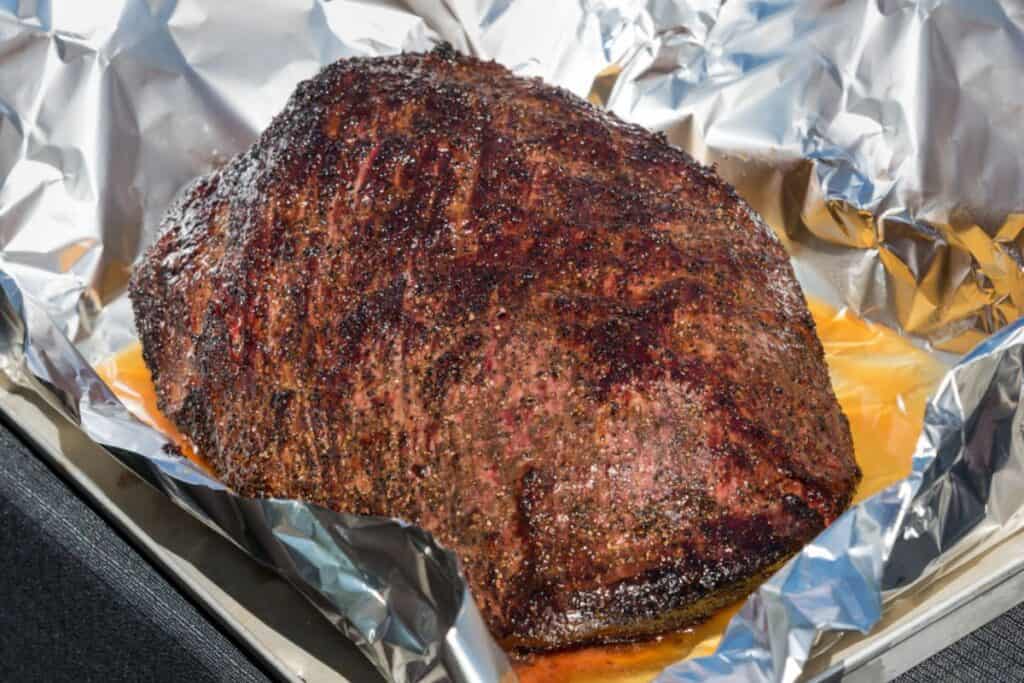
For particularly lean cuts or meats that need longer cooking times, like ribs or brisket, wrapping them in foil can be a lifesaver. This technique, known as the Texas Crutch, involves wrapping the meat tightly in foil or butcher paper after it has been on the grill for a while. This traps in moisture and helps the meat cook evenly without drying out.
13. Consider Brining
Brining is another excellent way to keep your meat juicy, especially for poultry. A simple brine solution of water, salt, sugar, and aromatics (like garlic and herbs) can work wonders. Soak your meat in the brine for a few hours before grilling. The salt helps the meat retain moisture, resulting in a tender and flavorful final product.
14. Mind the Wind and Weather
Windy or cold weather can affect your grill’s temperature, causing it to fluctuate. On a breezy day, position your grill in a sheltered spot, and keep an eye on the temperature. Adjust your cooking times accordingly to ensure your meat doesn’t overcook.
15. Experiment and Have Fun
Lastly, don’t be afraid to experiment. Grilling is as much an art as it is a science. Try different marinades, rubs, and techniques until you find what works best for you. The more you practice, the better you’ll become at grilling the perfect, juicy piece of meat.
There you have it — my top tips for grilling meat that’s juicy and full of flavor. With a little bit of practice and these handy tricks, you’ll be the grill master of your neighborhood in no time. Happy grilling, friends!